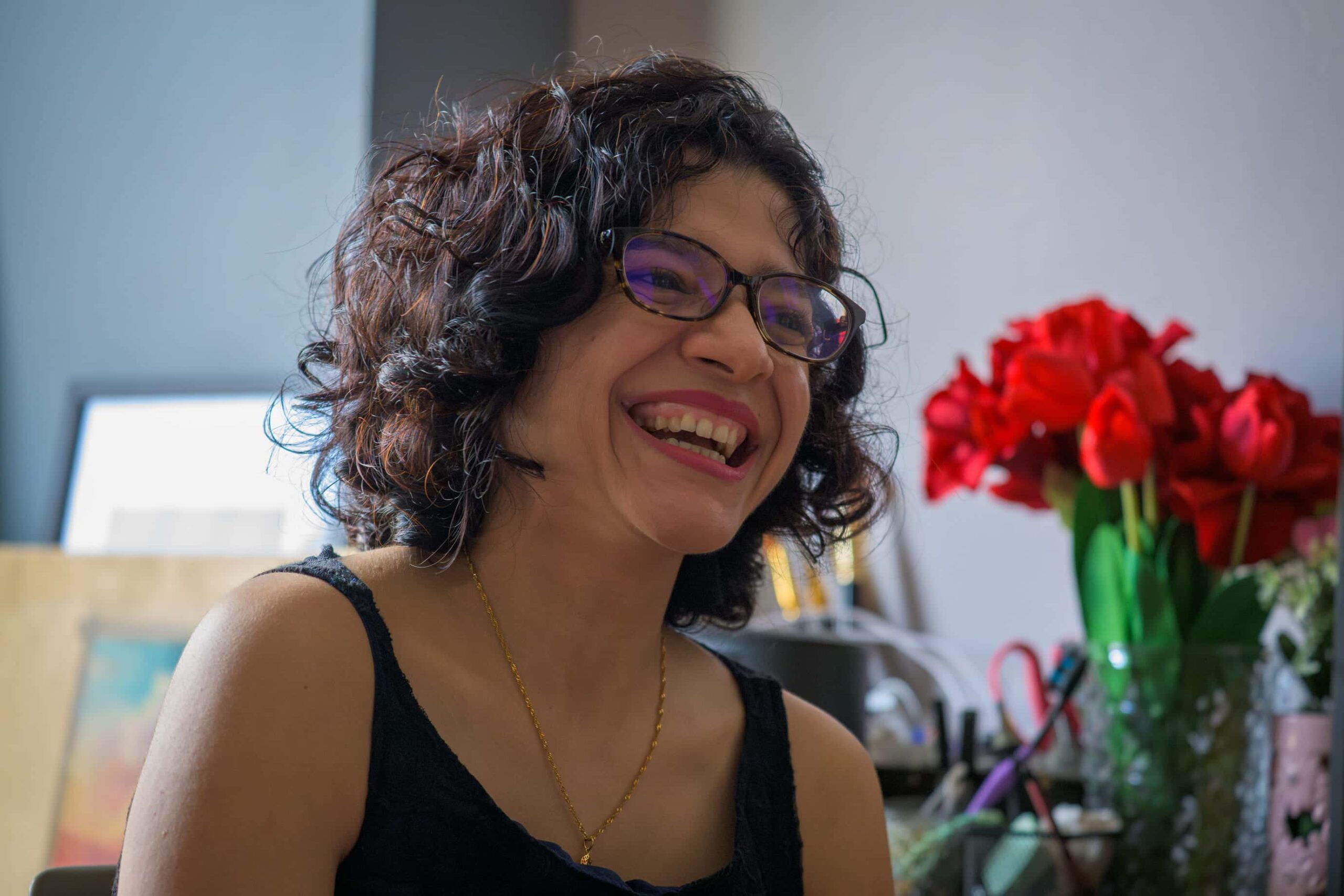

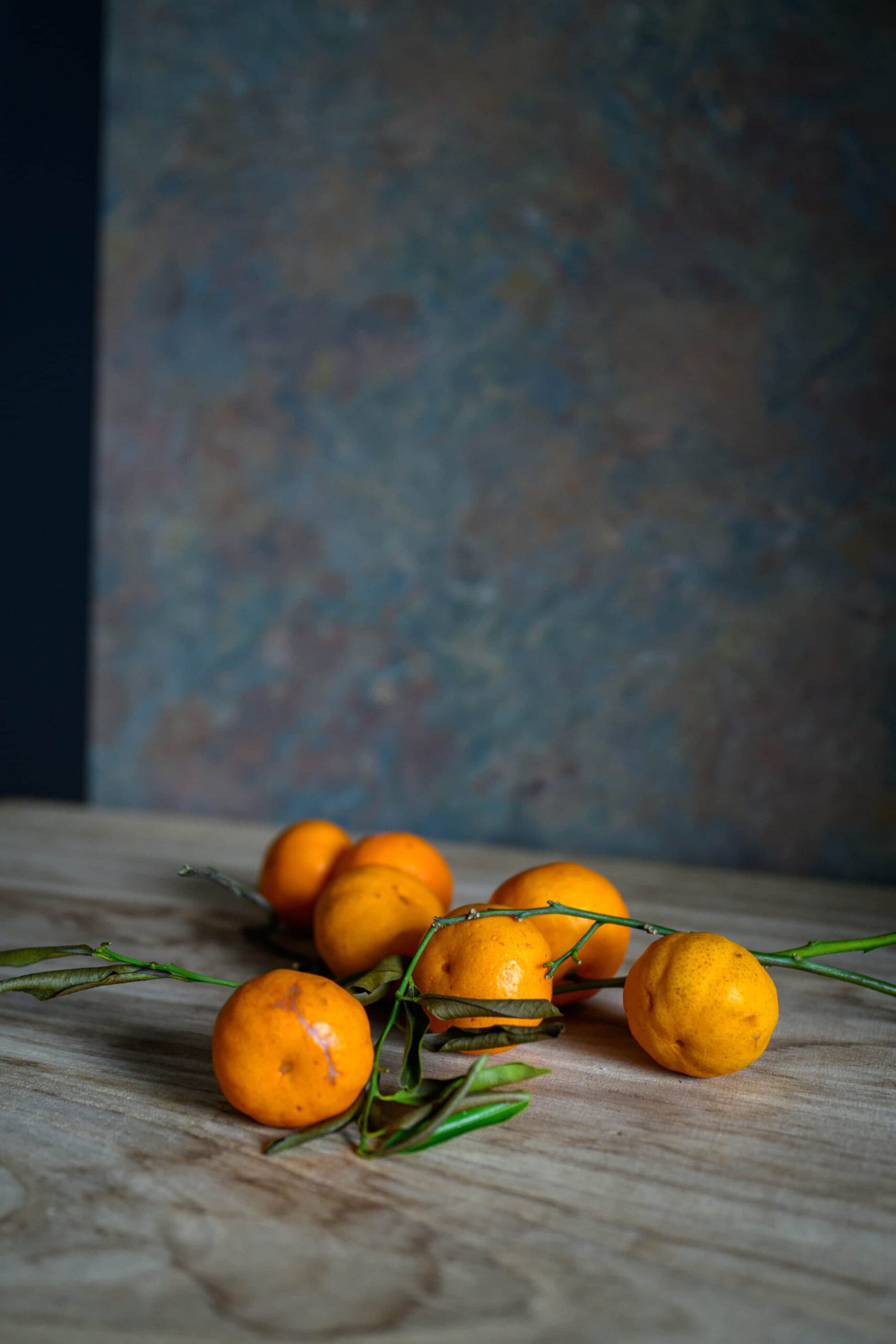
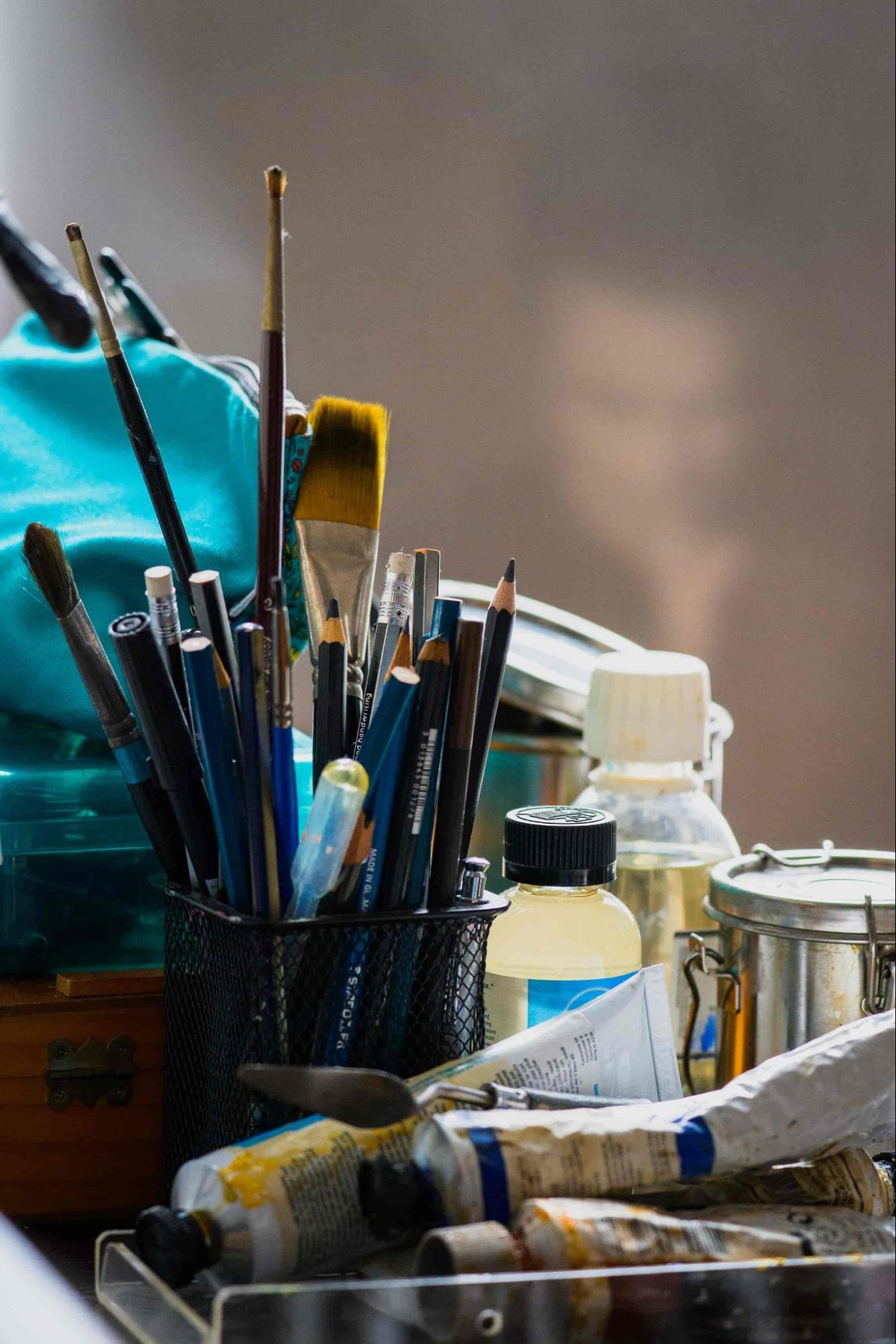
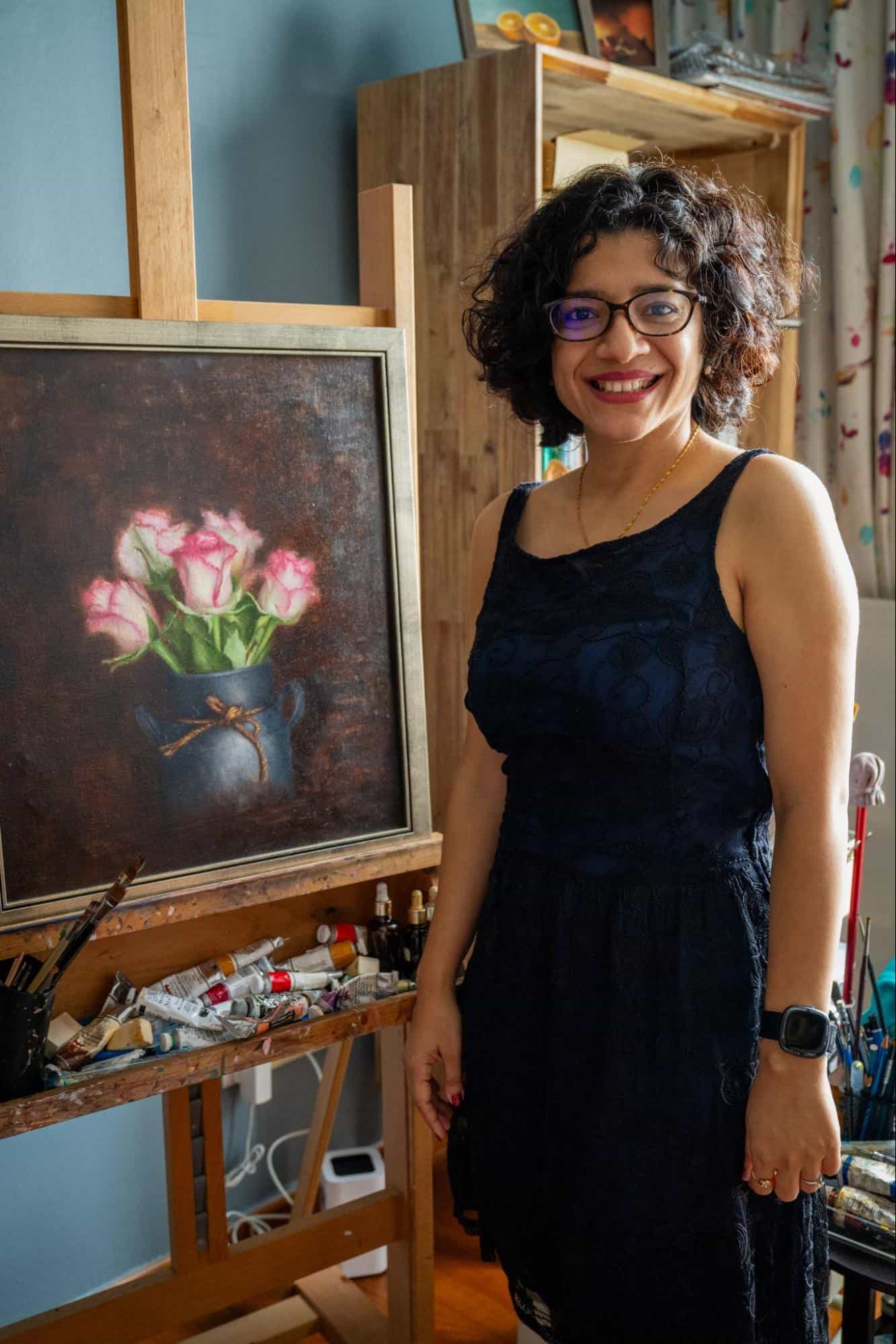
Stepping into the home studio of Singapore-based artist Pritha Bhadra is like stepping into a kind of sanctuary. Painted in teal, the room brims with the tools of her trade: cups filled with brushes, pencils, and palette knives, and canvases, in various stages of completion, propped up on shelves and along the walls. On one side of the room rests her setup for still lifes, consisting of a mottled backdrop and a lamp which she can use to adjust the direction of the light.
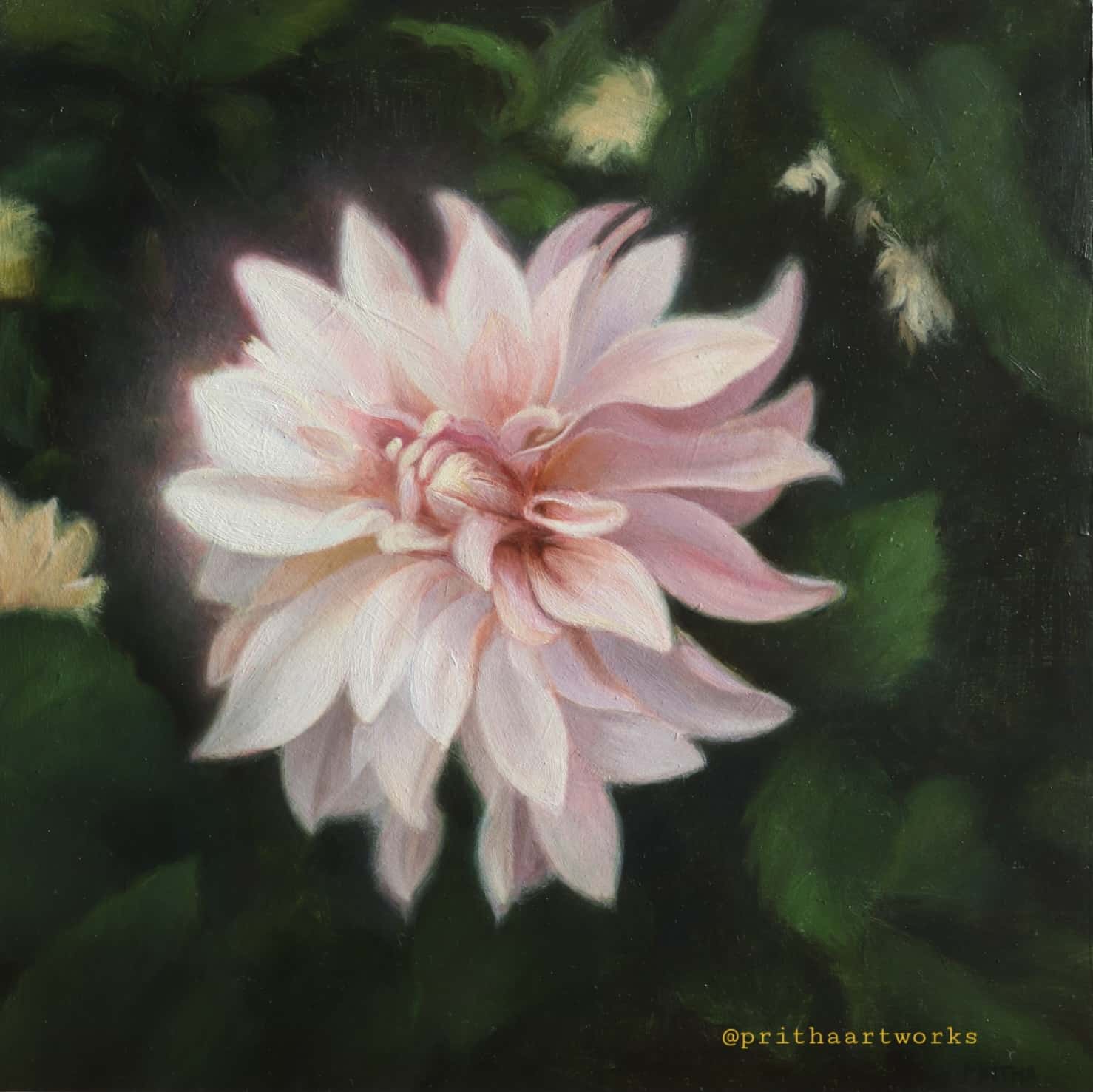
Next to a shelf holding art books and anatomical models stands her easel, its tray overflowing with tubes of oil paint. Bhadra herself is affable and well-spoken, with a head of curly hair, plying our photographer Justin and me with pastries from a nearby bakery chain. For the past several years, the biotechnology-trained artist, who works in the pharmaceutical industry, has been developing a representational painting practice, producing still lifes, portraits, and landscapes in a true-to-life style.
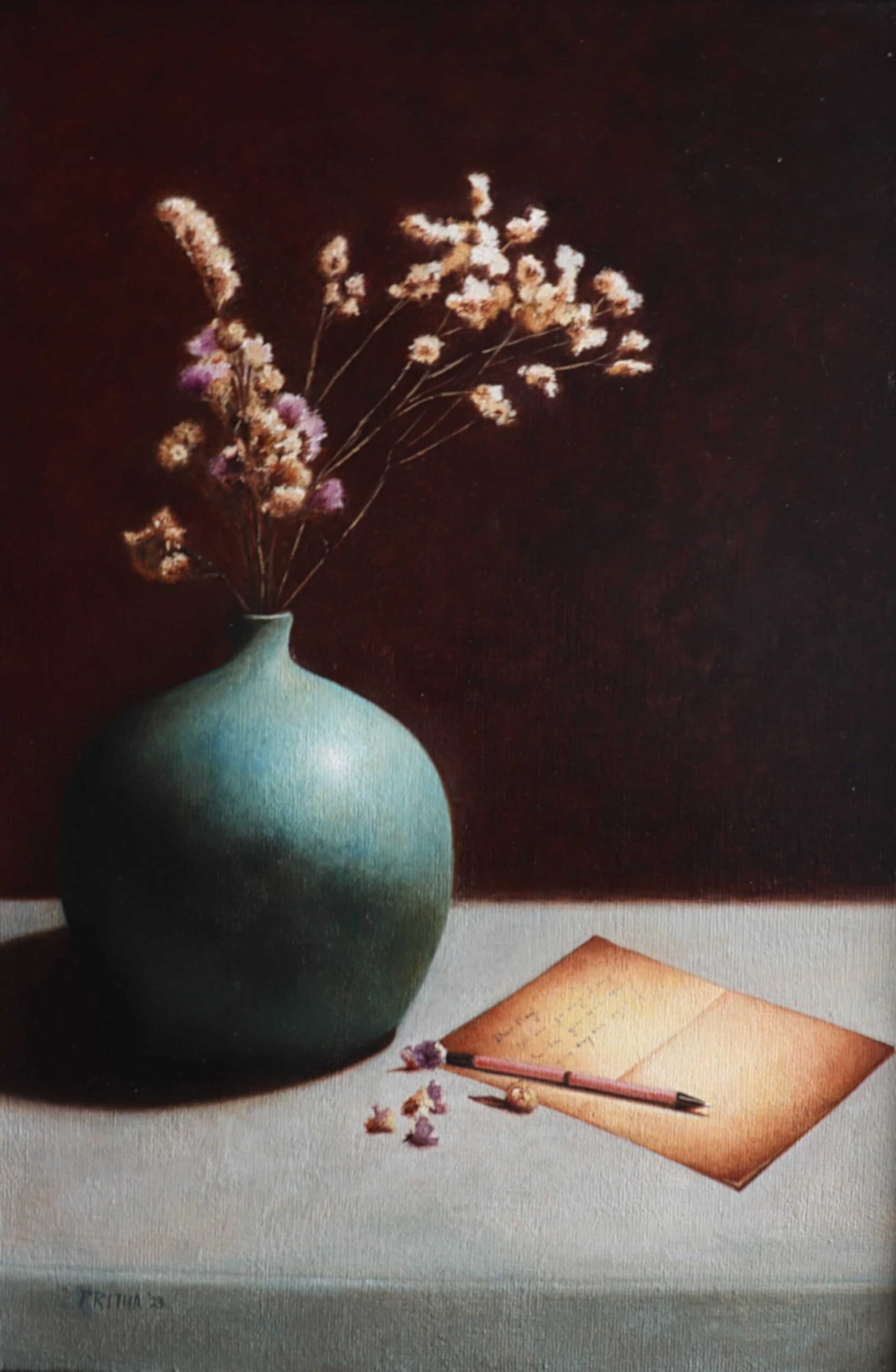
Though verisimilitude may be less in favour these days — the inexorable march of art history having ushered in abstraction, conceptual art, and countless other new forms — Bhadra remains in good company, with many other artists continuing to practice and see value in more traditional painting styles.
For her, what she sees in real life — everything from local flora and fauna to everyday objects like bowls and vases — inspires her most of all. “If I see a cup, for example, I feel: ‘Oh my god, this cup is so beautiful. What if I could paint it, bring out the beauty, what I feel inside?” (She’s also quick to correct the misconception that realistic painting is mere copying, pointing out that the painter still consciously make decisions to produce the composition she desires.)
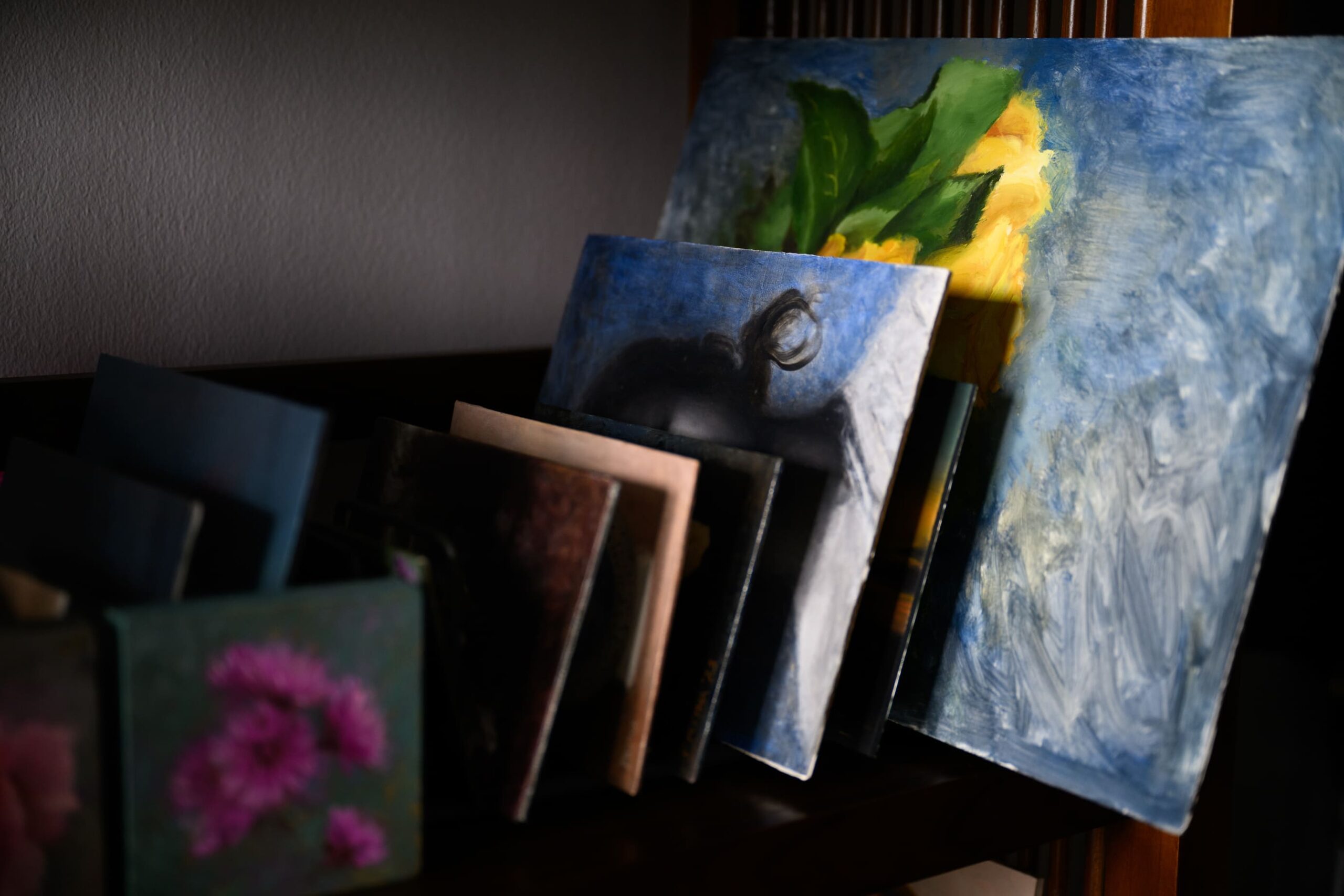
Here, then, is where it all happens — Bhadra makes a cup of tea or coffee, puts on an art podcast or some music (Hans Zimmer, Steven Price, and Ludovico Einaudi are some of her favourites), and paints the hours away. But just for a morning, she lets us into her idyll to talk about persistence, progress, and creative discipline.
Returning to art
For Bhadra, who grew up in a small town in India, picking up the brush as an adult was a homecoming of sorts. She had taken watercolour classes as a child, starting around the age of six and even winning prizes in children’s art competitions.
Even when she went on to study biotechnology in university, she found great enjoyment in perfecting her scientific drawings of animals and plants, even going so far as to help out less enthusiastic classmates. Thinking back to those days — ostensibly a world away from the expressive, freewheeling realm of art — Bhadra seems to have a miniature epiphany, drawing a throughline between the accuracy required from zoological drawings and her current realist practice.
“I always loved art,” she admits, “but I think I never realised.”
But while the young biotechnologist continued this dalliance with art through her school years, doodling as a means to reduce stress, she never fully committed to its pursuit. After moving to Singapore in 2009, and feeling that she had no hobbies outside of work, she experimented with various ways of occupying her time — dance classes, language lessons — but nothing quite stuck.
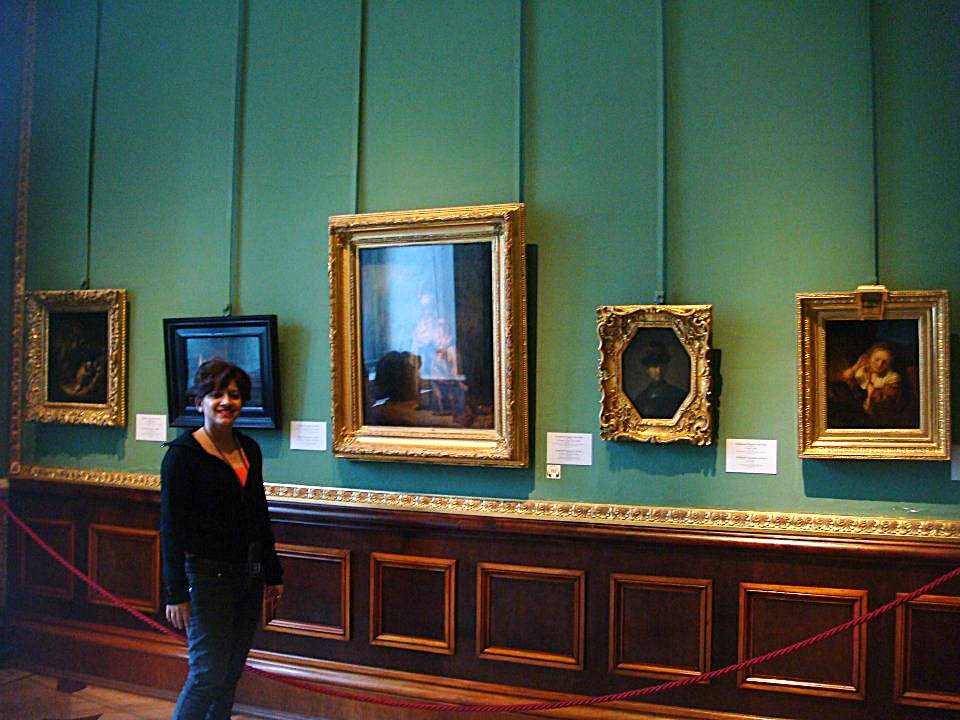
This sense of driftlessness came to an end in 2012, when Bhadra joined her husband on a business trip to St. Petersburg, Russia. Walking the halls of the Hermitage Museum — founded by empress Catherine the Great and home to the world’s largest painting collection — and the city’s other galleries, she saw firsthand the work of the Renaissance masters, previously known only through photographs.
“What if I could paint like this?” Bhadra recalls asking. “I think my husband said, ‘Oh, you can.’”
The two returned to Singapore, where, though months passed, the paintings still remained in Bhadra’s mind. Figuring she might enjoy it “because I had done it as a kid,” Bhadra resolved to go back to art, signing herself up for group painting classes and throwing herself into this new pursuit with characteristic verve.
“New” because, though art had followed her throughout her life, Bhadra decided to take up oil painting, a completely unfamiliar medium to her then. “This time,” she resolved, “I want to learn from scratch, again, from the beginning.”
Little by little
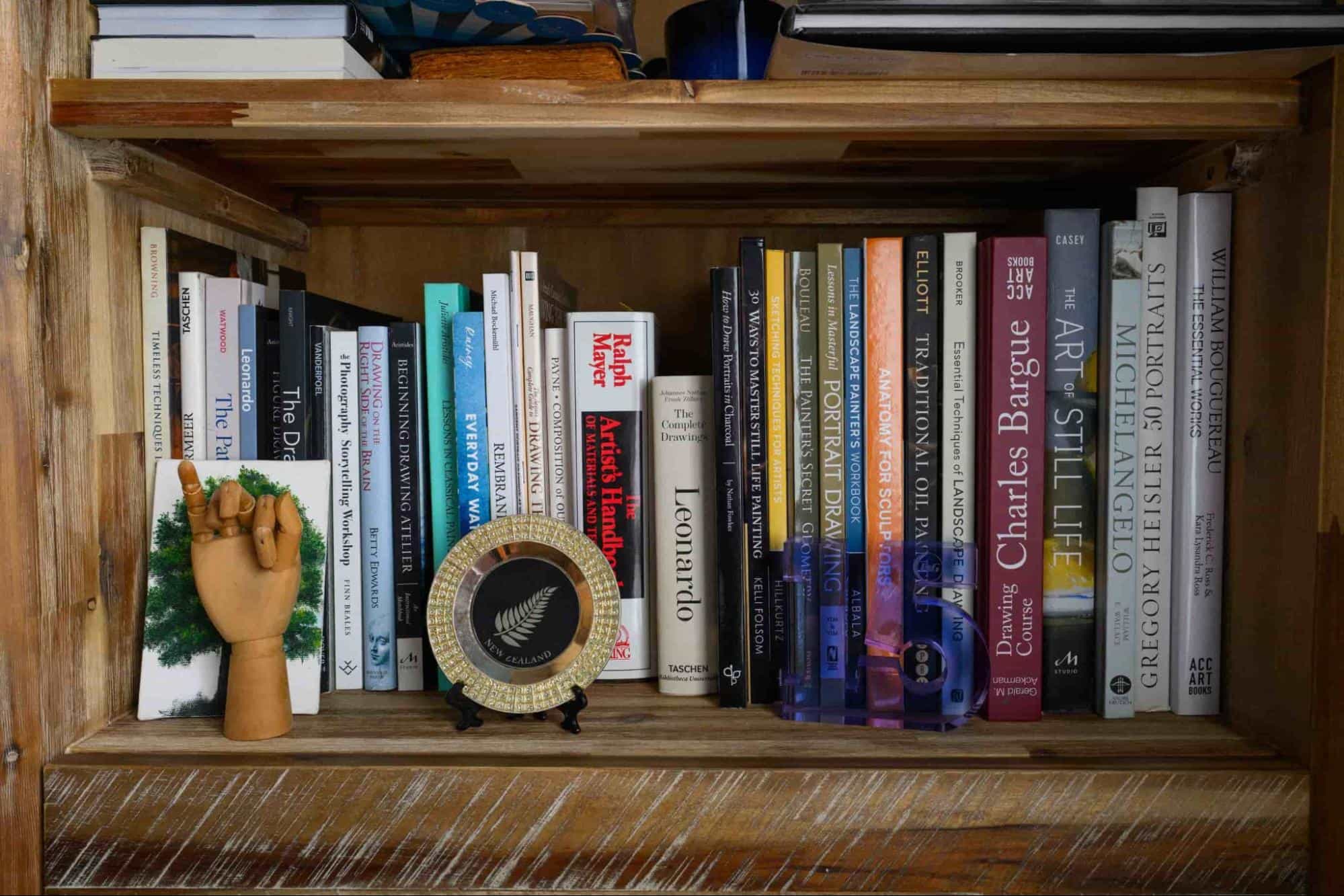
Months of effort followed. Bhadra poured herself into group and online classes and spent hours reading, trying to understand both the art and science behind her new medium — everything from blending colours to creating archival-quality works stable enough to last for generations. (She remains a consummate reader; a glimpse at her bookshelf today reveals technical titles on anatomy, composition, still life, and portraiture alongside tomes on masters of naturalism like da Vinci, Michelangelo, and Rembrandt.)
At times she felt frustrated and defeated at her own lack of skill. But somehow, those feelings went hand in hand with a sense of delight, sending her back to her easel each day. “It just happened automatically, honestly. It’s not that I had to force myself.”
“It’s difficult to explain, you know? Sometimes I got frustrated, but the next morning I would come back like oh, I want to paint again. Every day that feeling came by, so that’s what kept me going.”
It took a few years for Bhadra to feel more confident as an artist. Over these years, her zeal for her newfound hobby also grew. “Then came a point when I realised,” she recalls, “this is not just a hobby for me — this is something more than a hobby.”
“The passion grew slowly. It didn’t happen in a day, it just happened very slowly over time.”
Painting for others
Like a childhood friend turned lover, painting had become an inextricable part of Bhadra’s identity and life. Today, she continues to work in biotechnology, a field she has worked in for roughly 18 years (Singapore is expensive to live in, after all), but considers art her deepest passion.
At the same time, her art practice has morphed into more than a purely personal pursuit. As Bhadra became more skilled, she found that her friends and colleagues were taking an interest in her art and even offering to pay for it. She started accepting commissions, and, in 2023, reaching out to galleries to participate in exhibitions.
Whether she’s painting for herself or others, Bhadra’s realistic style demands a scrupulous and effortful process. Oils are an inherently time-consuming medium — each layer of paint must dry before the next can be applied, and this takes especially long in Singapore’s sopping climate. “I have dehumifiers everywhere … but it does take at least five to seven days,” she says.
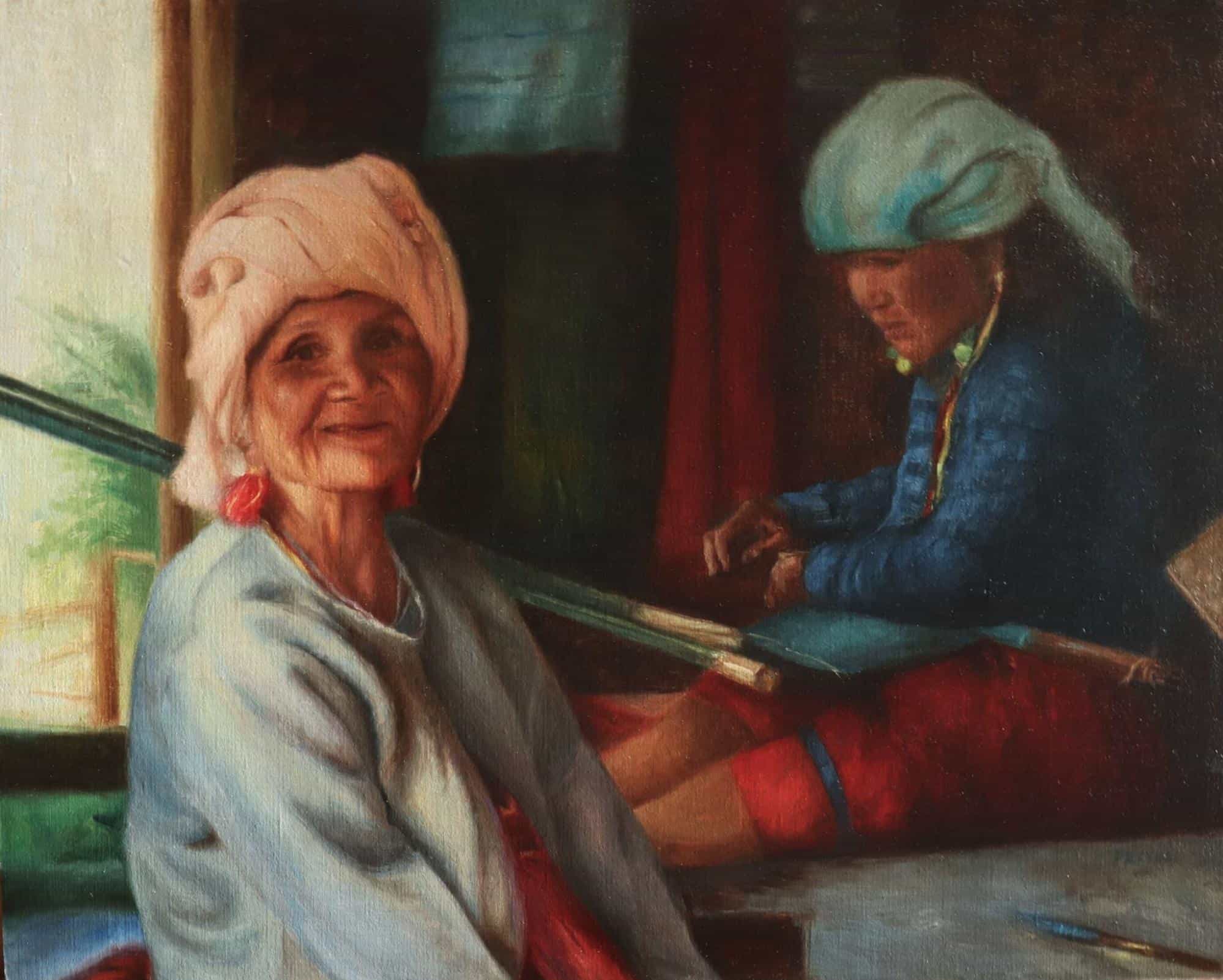
Because of this, Bhadra and her fellow oil painters typically have multiple projects going at once to make full use of their limited time. At the same time, she points out the necessity of taking regular breaks:
“The brain gets saturated when you think. Especially when I’m drawing portraits, I keep drawing, drawing, drawing, and then after a few hours your brain saturates and you can’t see the mistakes anymore. You have to leave it — come back after a couple of hours, or the next day, and see.”
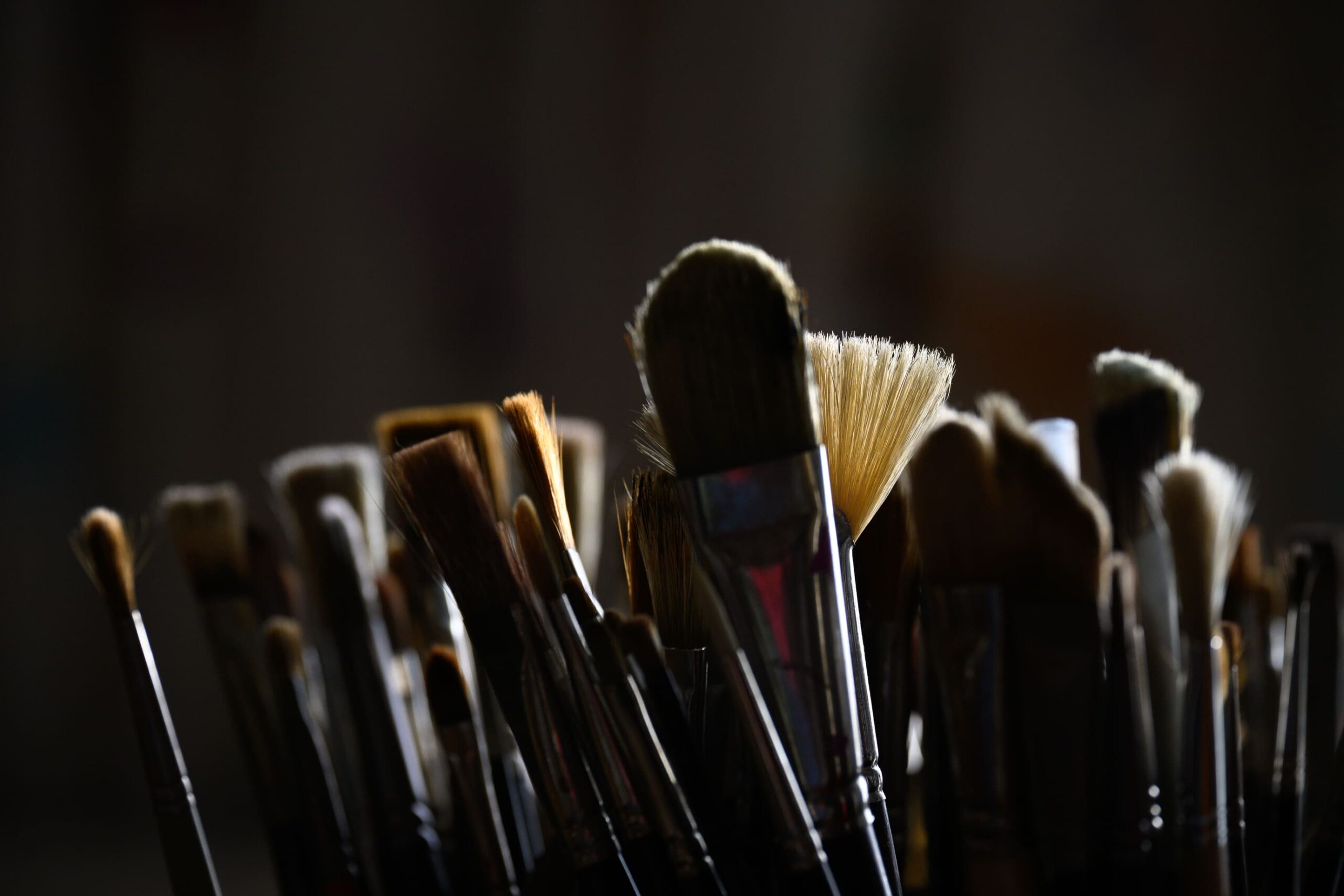
Creating art for others — whether they’ve found her through gallery exhibitions or her Instagram account, where she often posts her artworks and videos of her painting process — has also led Bhadra to invest increased time and care into her practice. Rarely now does she forgo a prelimary sketch to draw directly on her canvas, which she might have done earlier on. A commissioned portrait, especially, requires a near-perfect likeness of its subject, meaning that the drawing alone can take ten days or more.
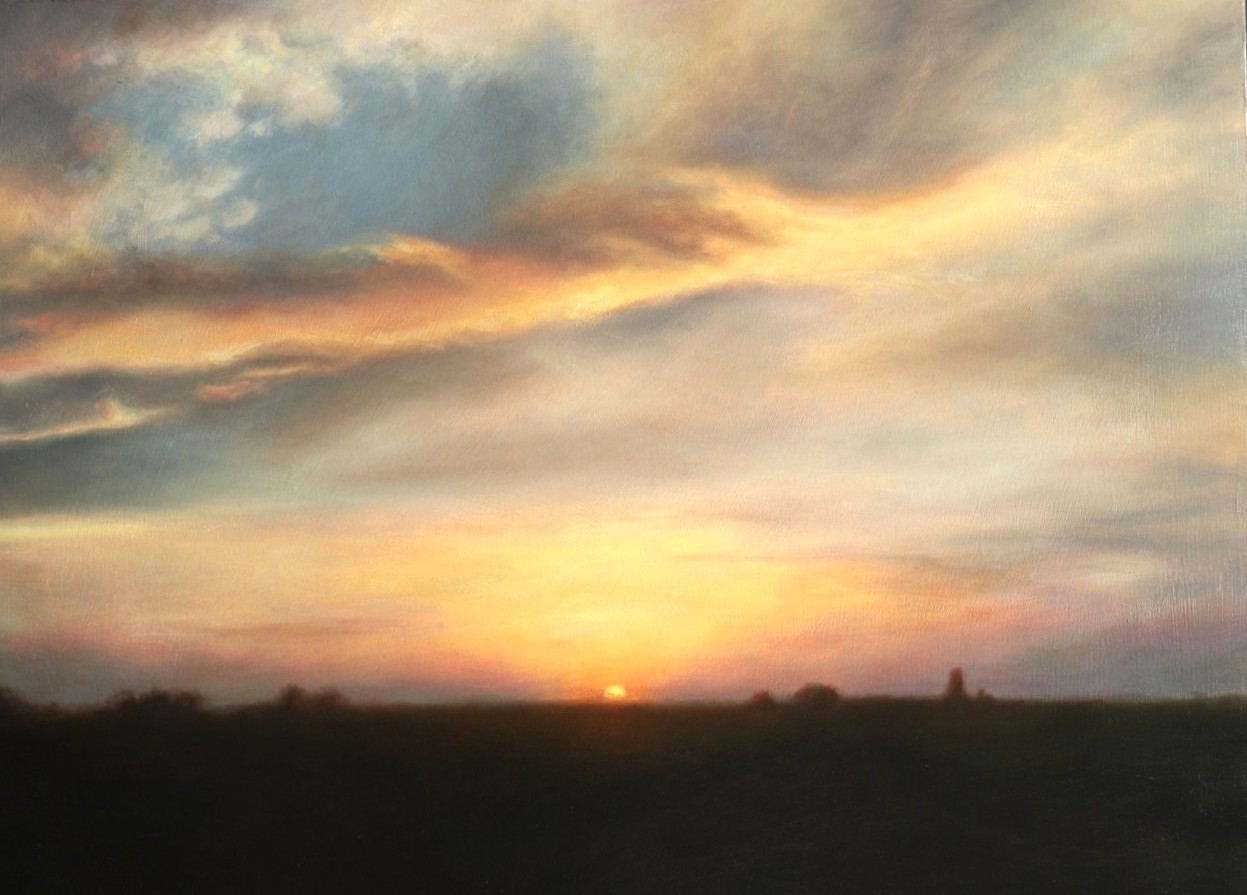
For commissions, larger pieces, and ones she wants to send to competitions, Bhadra also does colour studies. These small, loose studies afford her the freedom to test the colours she wants to use and even make mistakes. “If you do something on the finished painting, it’s very difficult to correct it,” she explains. “You need to study it first. It helps a lot.”
Creative discipline
Like many, perhaps most, artists in Singapore, Bhadra is juggling all this while also holding down a full-time job and keeping up with family commitments (she has a young daughter), and has to manage it all through a mix of dogged passion, careful organisation, and unyielding discipline.
She makes it a point to draw or paint after work, shutting herself in her studio for at least an hour and and a half nearly every day. Weekends and Netflix, too, are offered at the altar: “… [H]onestly, I don’t go out too much. After I found art, I just paint almost the whole day. I’m painting from the morning to 5 or 6 p.m., with some breaks, of course.”
“If you cut down the time for TV, cut down the time for mobile [use], I think there are still a lot of hours left to do what you want to do.”
To some, these cutbacks might seem like impossible sacrifices. Bhadra mentions that her parents and siblings, when video calling her, have even asked why she seems to be in the same spot every day.
“They even tell me, ‘Just go out,’” she recalls.
“I say, ‘Okay, but I just like to sit here and paint! That’s what gives me happiness!’”
Dogged pursuit
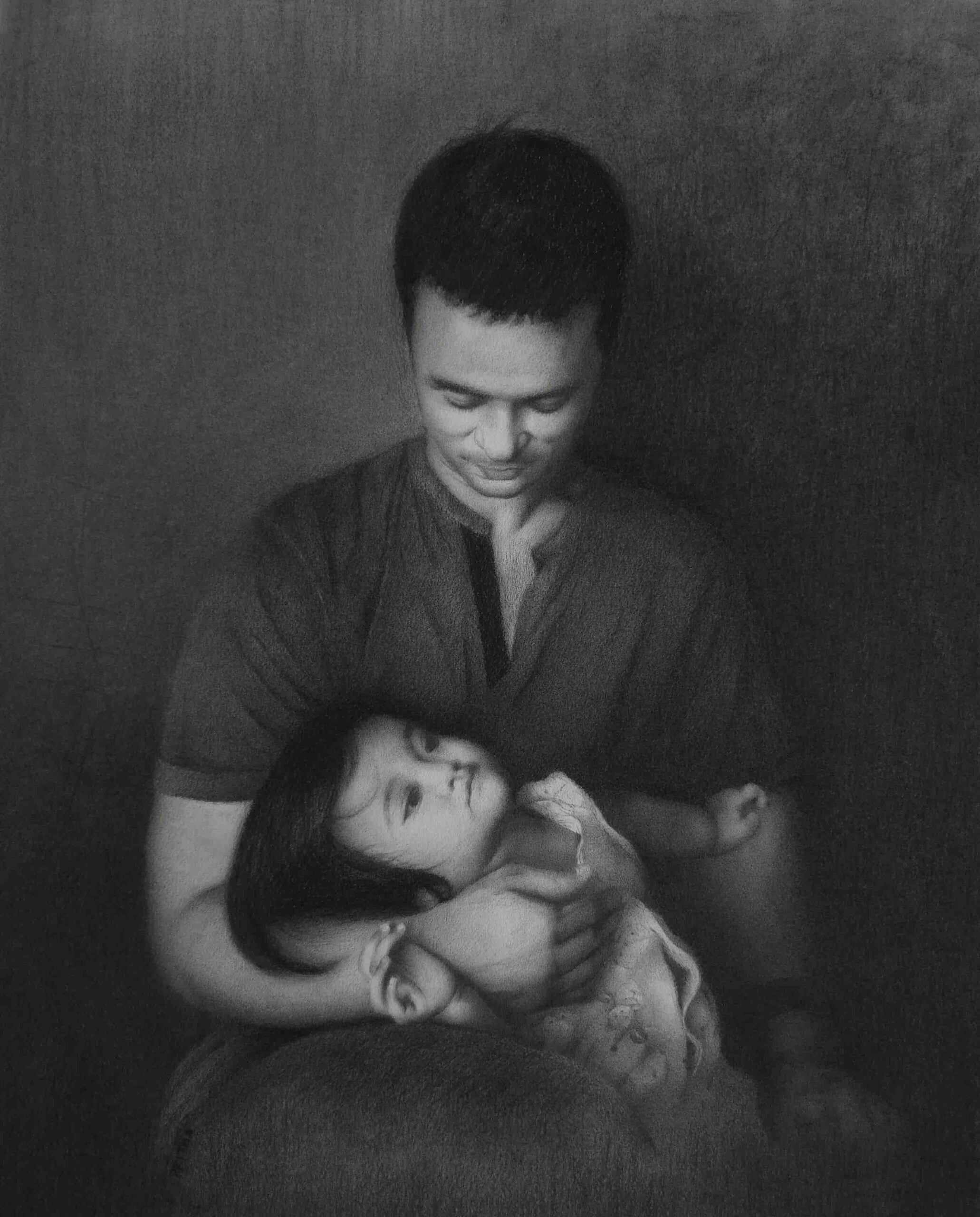
Bhadra has spent the past year pushing her practice further, and has seen her artworks shortlisted in several competitions; a tender, monochrome drawing of her husband and daughter reached the semi-finals of an international contest run by the Art Renewal Centre, a New Jersey-based nonprofit dedicated to realist art. Never one to rest on her laurels, she has (quite literally) big plans for 2026, intending to create larger-scale paintings to submit to galleries.
To those thinking of pursuing art, whether professionally or as a hobby, Bhadra has this to say:
“I think [you] absolutely should go ahead … Don’t give up. You need to keep trying.”
Persistence, she adds, is a lesson she learnt from her family’s dogs, though they’ve since passed away. If you’ve ever watched a dog worry at a toy or chase down a tennis ball, you know just what she means.
“There will be many, many moments when you feel, this is not working for me anymore. But from my personal experience I can say that it will take time, but you will get there — if you really keep on at it.”
___________________________________
See more of Pritha’s work at prithaartworks.com and follow her on Instagram @pritha_artworks.
Support our work on Patreon
Become a memberYou might also like
In Retrospect With Sonny Liew — The Art of Charlie Chan Hock Chye: The Exhibition

Lucy Davis on Art, Ecology, and Inter-Species Connections