
Hong Kong’s 13th edition of the Affordable Art Fair opens to the public this week from 14–17 May at the Hong Kong Convention and Exhibition Centre. Featuring 106 galleries, the fair once again promises a broad range of art at relatively accessible price points.
For those more accustomed to the upper tiers of the art market, however, “accessibility” can sometimes feel like a slightly uncomfortable word. Art appreciation is still often framed as something rarefied and exclusionary. Across much of the art market, value is still most effectively created through ideas of scarcity, prestige and insider knowledge, or in other words, the sense that one belongs to a small circle of people who truly “get it”.
The Affordable Art Fair has always pushed back against that framing and this year’s Hong Kong edition notably arrives just after the launch of “The Art Market Under $50,000”, a brand- new report produced together with art market analysis firm, ArtTactic. In some ways, it almost feels like a shadow report to the annual Art Basel & UBS Art Market Report that presently dominates conversations around the global art market.
Given Hong Kong’s stronger associations with blue-chip collecting, mega galleries and auction culture, the release of “The Art Market Under $50,000” around the same time as the latest edition of the Affordable Art Fair there feels particularly timely. As Fair Director Regina Zhang explains, the report was “created to shine a light on this key sector of the market.”
And honestly, it makes for a compelling read.
As Will Ramsay, Founder and CEO of the Affordable Art Fair, notes:
“While headlines highlight record-breaking prices, the under $50k market is where most activity really happens. It’s where collectors begin their very personal journey with art, where trust is built with galleries, and where the long-term future of the art world takes shape.”
The report contains several revealing insights into how collecting habits are evolving, particularly amongst younger buyers. Based on a survey of 3,302 art buyers and collectors from around the world, it found that:“The majority of Gen Z collectors (55%) and an even larger share of Millennials (57%) cite supporting artists as a key motivation, compared with 50% of Gen X and just 37% of Boomers. For younger collectors, buying art is not only about what they acquire, but about the impact their purchase has on sustaining an artist’s practice.”
It’s a trend that’s gaining traction — even at the higher ends of the market, industry observers note that collecting is no longer framed purely around acquisition. There is growing interest in patronage, stewardship and direct engagement with artists themselves. In the recently – issued Knight Frank Wealth Report it was noted for example that even within the world of UK real estate and members’ clubs, a newer generation of clubs — including Artistry Townhall and The House of KOKO — are increasingly trying to position themselves as active participants in cultural patronage, embedding support for emerging artists and creative production directly into their operating models.
The “The Art Market Under $50,000” report also paints an insightful picture of the galleries operating within this segment of the market. Of the 239 galleries surveyed, nearly two thirds were found to generate less than US$250,000 in annual revenue, while 41% operate below US$100,000. Yet despite these relatively lean economics, many demonstrate remarkable longevity: 42% have operated for over a decade, while nearly a quarter have survived for more than twenty years. As the report itself concludes, these figures point towards “a gallery sector structured to support artists and sustained by long-term relationships rather than size and scale.”
Read holistically, the report hints at an art ecosystem that operates quite differently from the blue-chip market which usually dominates public attention. At the lower price ranges, collecting appears to be more personal: shaped not only by questions of status or investment value, but by relationships, curiosity and a desire to support artists and galleries over the longer term. Indeed, we are reminded that much of the infrastructural work of supporting artists may not necessarily happen through headline-making, expensive acquisitions, but instead through the smaller, repeated acts of patronage which are carried out across a broader network of collectors, galleries and supporters.
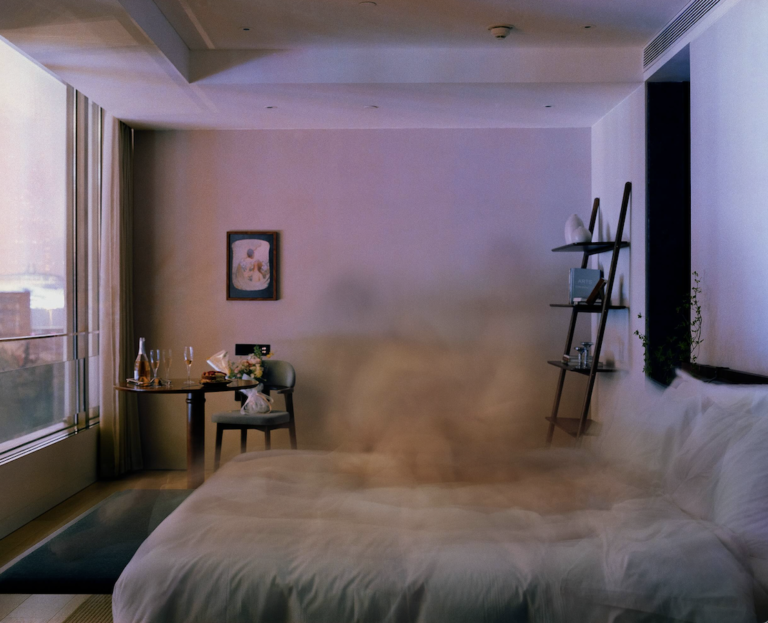
The Affordable Art Fair’s programming this year also feels closely aligned with the report’s observations. This year’s Young Talent Hong Kong section introduces five emerging artists whose works explore themes of identity, memory and transformation. Titled No-Rise?, the showcase pushes back against the idea that artistic value must constantly be ranked, creating instead a space where multiple voices are allowed to coexist. It’s an exciting showcase to observe fresh talent in action and to try and spot the next big thing:


Zhang notes in particular that collectors from the China market have become increasingly adventurous in their tastes, showing a “growing desire” to support local and regional artists. “Over the past few years,” she observes, “we’ve definitely noticed a shift.”
“(Chinese) collectors are more confident about buying emerging artists, more curious about the stories and processes behind the work, and more open to discovering beyond obvious names.”
Elsewhere, immersive installations throughout the Fair attempt to soften the distance between sterile white-cube-style art viewing and more joyful, participatory forms of engagement. The Fair café, for example, will be transformed by the work of Isaac Spellman into an immersive and participative space.

It is this broader sense of openness that Zhang repeatedly returns to in conversation.“We strive to create fun, accessible and welcoming art fairs for all,” she reiterates, “our friendly galleries are primed to answer any and all questions, and help people discover the stories behind the art and fall in love with it.”
When asked what Zhang would change about how the public engages with contemporary art in Asia, the Fair Director had this nugget of advice to offer:
“I’d like to see people feel less pressure to “get it right” and (be) more comfortable responding to art in their own way. Too often, engagement with contemporary art is shaped by a need for external validation—from the market, institutions, or prevailing opinion—rather than personal response. Audiences in Asia are highly curious and visually sophisticated. Encouraging engagement driven by interest, openness, and conversation, rather than authority or investment considerations, would help foster a broader and more inclusive collecting culture.”
So if you’re in Hong Kong this weekend, let go of that pressure to “get it right,” kick back and enjoy the lively atmosphere of the 2026 Affordable Art Fair.
______________________________
Hong Kong’s 13th edition of the Affordable Art Fair opens to the public from 14–17 May at the Hong Kong Convention and Exhibition Centre. Details can be found here. The Fair is expected to return to Singapore in November 2026.
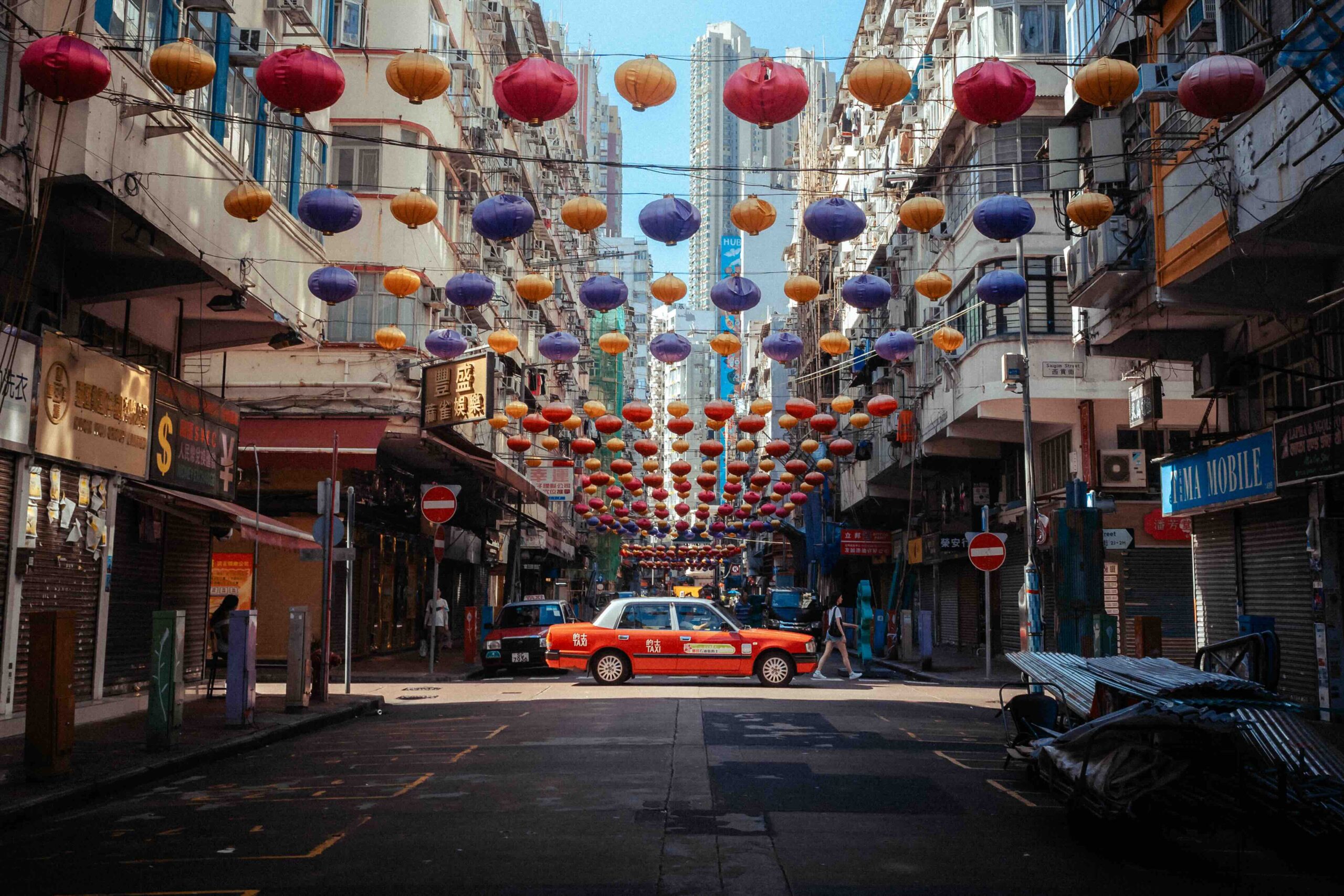
Feature image: Forgotten Streets, by Sean Foley, a work from the Pieces of Hong Kong showcase at the Fair. All image are courtesy of the respective artists.
Support our work on Patreon
Become a memberYou might also like
National Gallery Singapore’s First R18-Rated Exhibition Is Less About Sex Than You Think
Sentul Biennale and the Politics of Friendship in Contemporary Art