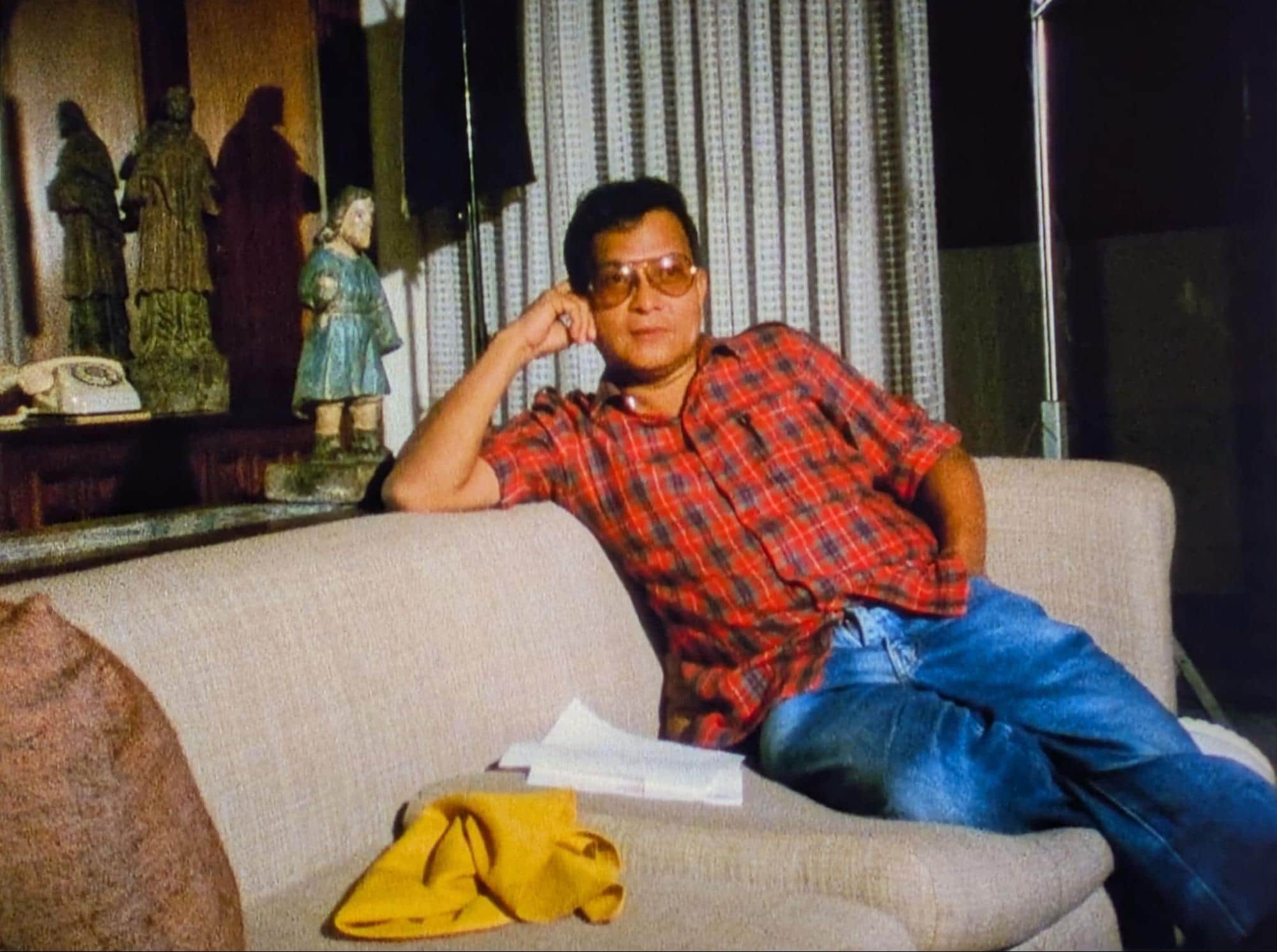

Lino Brocka was a trailblazer. In 1978, his film Insiang was the first Filipino feature to screen at the Cannes Film Festival. In 1986, he was the first Filipino to sit on the festival’s main jury. And in 2018, Manila in the Claws of Light was the first Filipino title given an individual release by the Criterion Collection, a prestigious distribution platform for the best of global film.
Lino Brocka was also a troublemaker. Like the Iranian directors who have in recent years smuggled films out of the country to dodge censors (one film was hidden in a cake, another stolen from government archives), Brocka illegally exported his work to film festivals in the 1980s, thus bypassing official approvals.
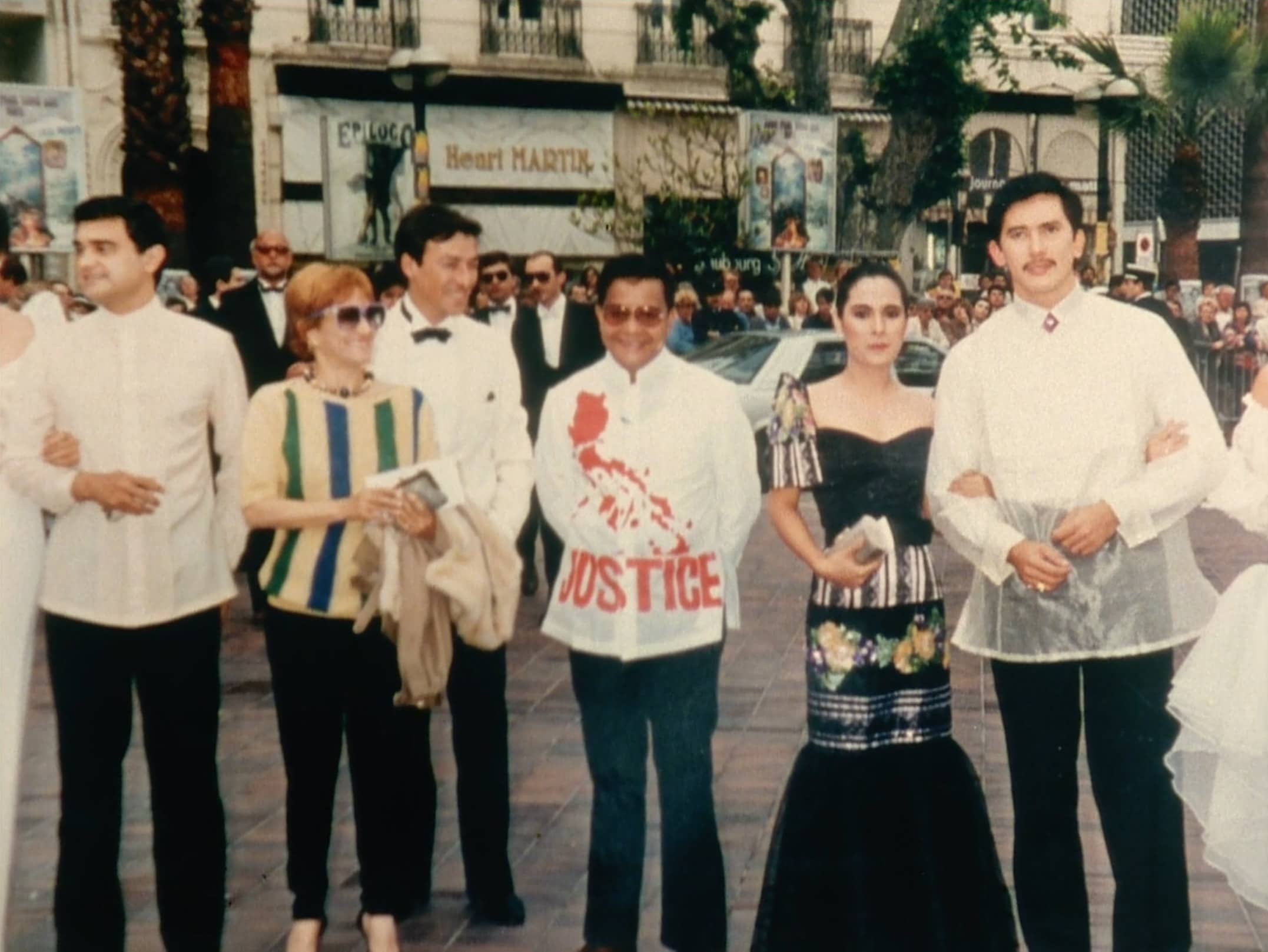
At Cannes 1984, he presented This Is My Country (Bayan Ko: Kapit sa Patalim). Wearing a white barong with a map of the Philippines and the word “JUSTICE” emblazoned in red, Brocka criticised the dictatorship of Ferdinand Marcos at the press conference. Back home, his passport was confiscated and the film’s protest scenes and title song, a rousing call for the people to break free, were excised.
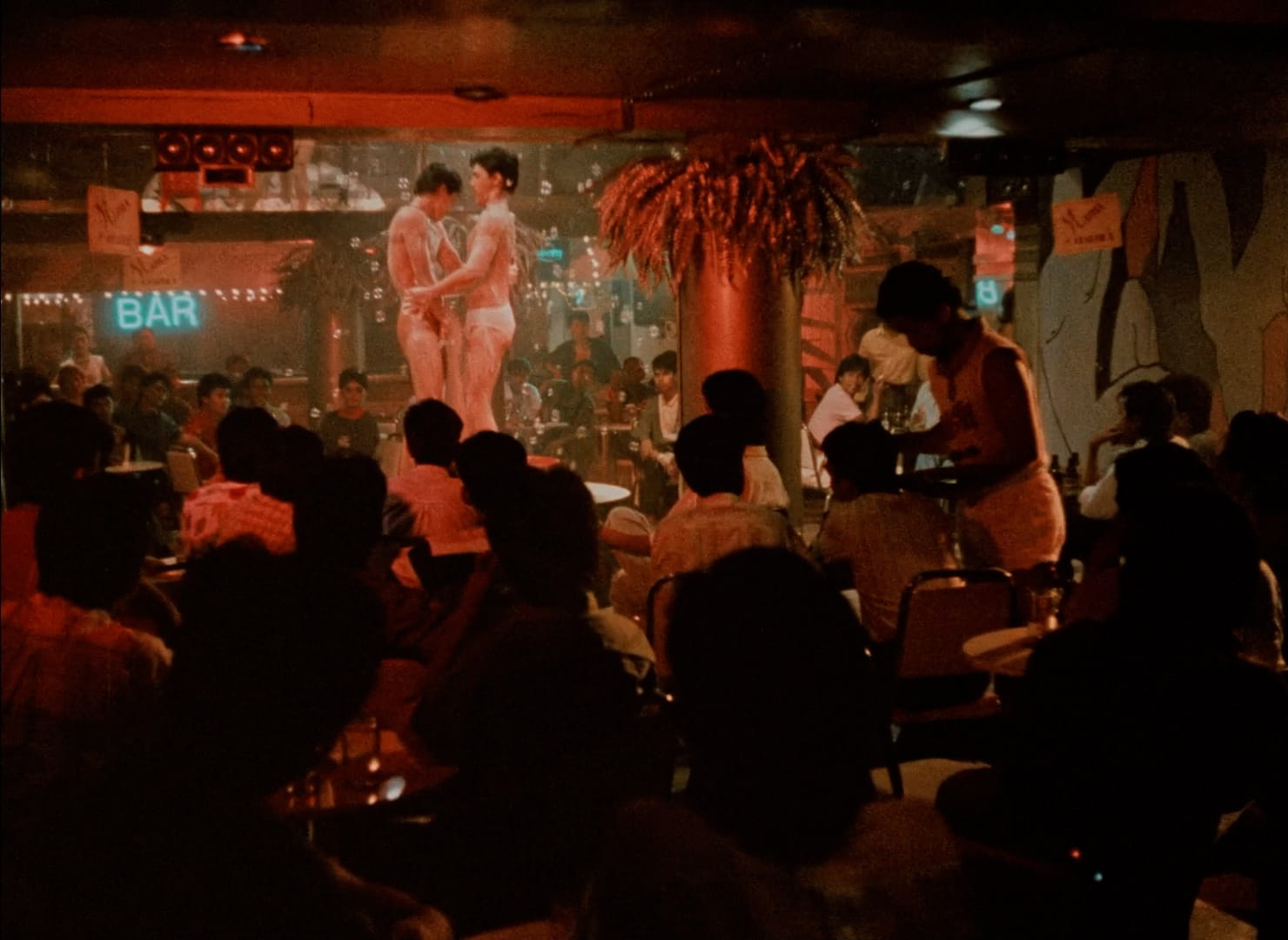
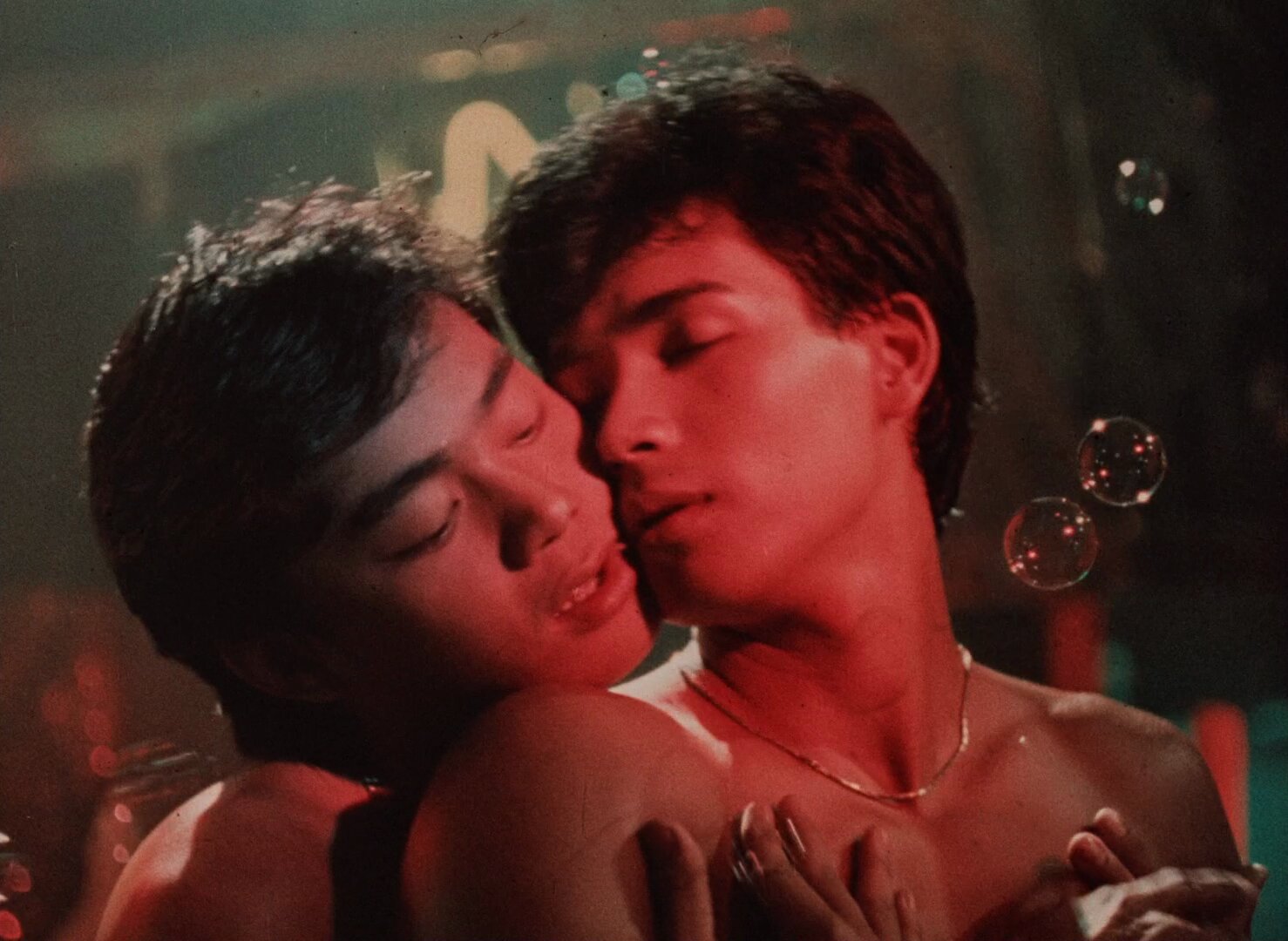
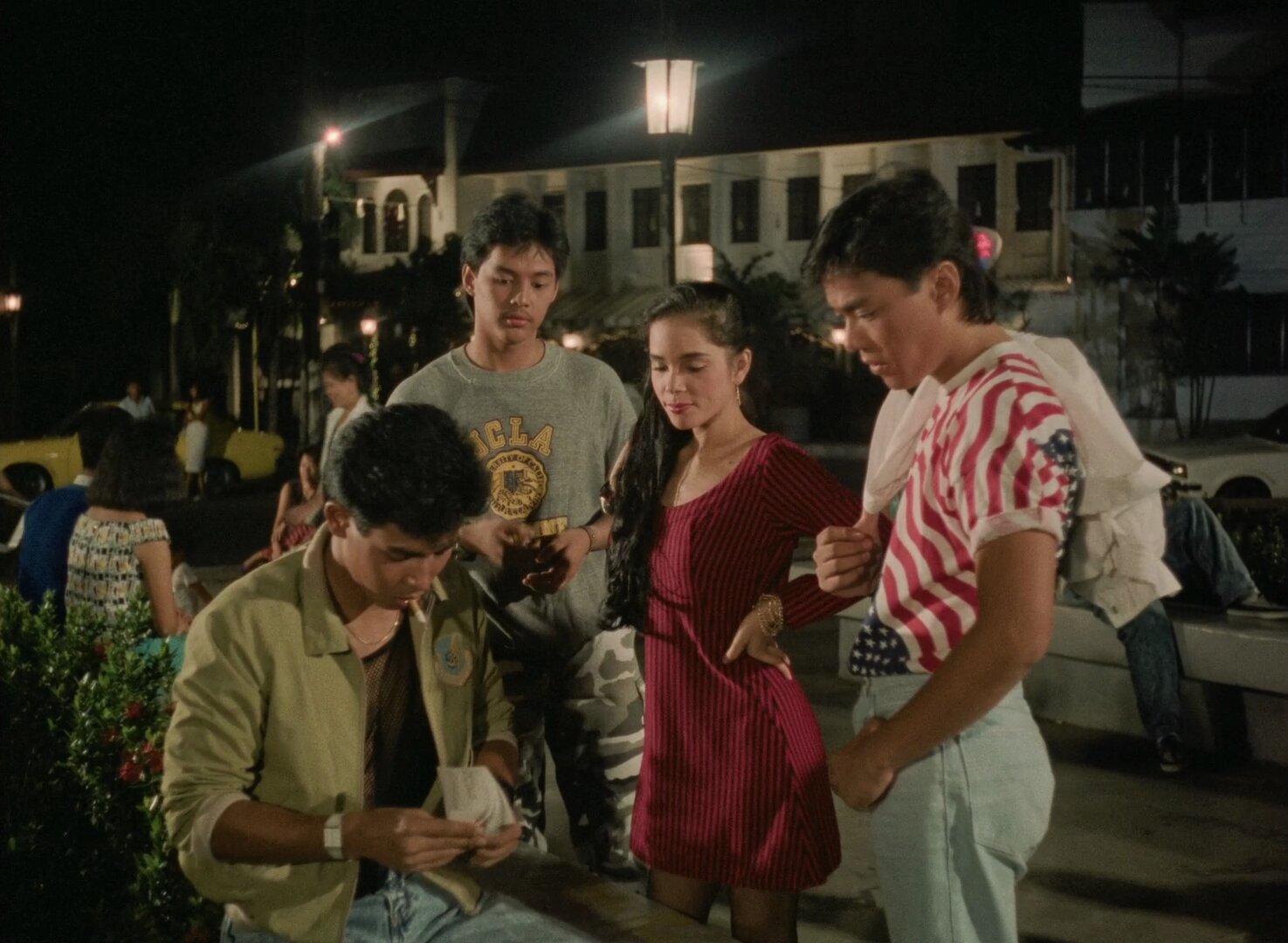
After Marcos was toppled and succeeded by Corazon Aquino, Brocka continued to frustrate the censors (and Aquino’s Catholic morality). Macho Dancer, a 1988 film with male strippers gyrating naked and soaping each other up on stage, was secretly flown to festivals in Toronto and London. Later, the Philippines’ censorship board decided that the movie “endanger[ed] the morals of Filipino youth” and pressured the production company Viva Films to pull it from local cinemas after merely four days.
But the film found artistic asylum in America. In 1989, the distributor Strand Releasing launched in Los Angeles County. Macho Dancer, its first title, was released to commercial success. A decade later, in 1999, the film’s uncensored analogue print was preserved for posterity when it was acquired by New York’s Museum of Modern Art (MoMA), an institution that considers cinema an art form on a par with painting, printing, or photography, and its theatres as spaces akin to galleries.
On 9 January this year, a 4K restoration of Macho Dancer opened to a full house at MoMA’s film preservation festival To Save and Project. Commissioned by Kani Releasing and Carlotta Films, the new version is based on a Viva Films archival print rather than MoMA’s copy. Since its premiere last November at festivals in Paris and Nantes, the restoration has been reintroducing the film and its indomitable director to global audiences.
The good, the true, the beautiful
A master of the social melodrama, Brocka often blended mass entertainment with social realism that foregrounded the oppression of the Filipino people. “For it is the supreme duty of the artist to investigate the truth no matter what forces attempt to hide it. And then to report this truth to the people, to confront them with it,” he once said.
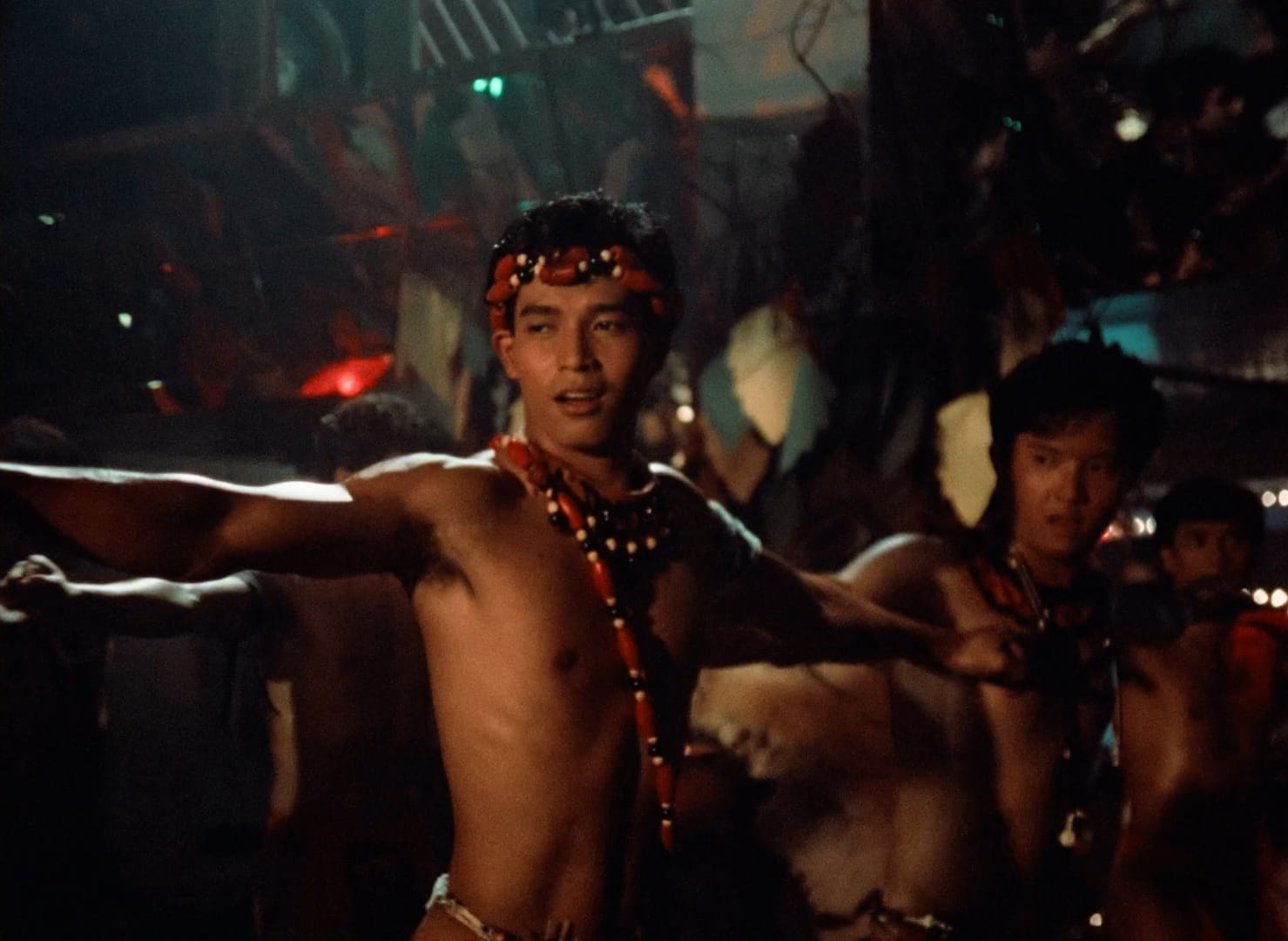
Macho Dancer centres on a gay strip club where dancers sell their bodies to escape poverty and the police conduct regular raids for “fundraising.” “It’s almost Christmas,” a character quips. “The police need to buy gifts too.” As with early films like Dipped in Gold (Tubog sa Ginto; 1971), Brocka sought to portray queer characters in ways that went beyond the usual caricatures.
Beneath its steamy, soapy surface, Macho Dancer exposes the perils and economic realities of sex work. “If people find those scenes unforgivable,” Brocka said in 1989, “then it’s up to them, or to all of us, to do something for the sake of our fellow human beings who are in the flesh trade.” Gil Quito, a curator of Filipino film in New York, tells me that Macho Dancer is “a document of its times,” and that the protagonist’s act of killing a crooked policeman is “a metaphor perhaps of how a nation, trying to survive corruption and exploitation, manages to free itself.”
A vocal activist who constantly clashed with the government, Brocka founded the cultural organisation Concerned Artists of the Philippines, shot movies in Manila’s slums even after doing so was outlawed, and was jailed for participating in a jeepney driver’s strike (then released following an international uproar).
His work, he was told, was too realistic and disturbing. “It’s meant to be,” he said in Christian Blackwood’s 1987 documentary film Signed: Lino Brocka. The first lady Imelda Marcos summoned him and enjoined him to make films about “the good, the true, and the beautiful.” “How can you depict the true, the good, and the beautiful,” he reflected, “when around you was poverty and around you was exploitation and corruption?”
Brocka never forgave the Marcoses for the billions of dollars they plundered and the millions of people they rained violence and suffering upon. When they were overthrown by the People Power Revolution in 1986, the United States provided them — along with their gems, gold bars, and 300 crates of jewellery — safe passage to Hawaii for a continued life of luxury. “The Filipinos were too kind,” Brocka said in Blackwood’s film. “They should have been killed.” Though he had never handled firearms and was squeamish about blood, he would have gladly volunteered to be in the firing squad.
Room for expression
“Political perspectives and forms of activism that are restricted in one place can find audiences and room for expression elsewhere,” Ruba Katrib, chief curator at the art space MoMA PS1, tells me.
Take, for instance, the filmmaker Mike de Leon, who worked with Brocka on Manila in the Claws of Light (Maynila: Sa mga Kuko ng Liwanag), a 1975 film often considered the greatest work in Filipino cinema history, and went on to direct his own features with a social conscience. Given the political overtones of his films, de Leon came to realise that they might have a better chance of long-term survival overseas. In 2005, he deposited his entire body of work with the Asian Film Archive in Singapore.
In 2024, MoMA PS1 staged Offerings for Escalante by Enzo Camacho (Philippines) and Ami Lien (USA), an exhibition that travelled to Hong Kong, Berlin, and Glasgow. In response to killings on the island of Negros in the Philippines in 2018 and 1985, the project highlighted the plight of sugarcane workers and their long struggle for land reform.
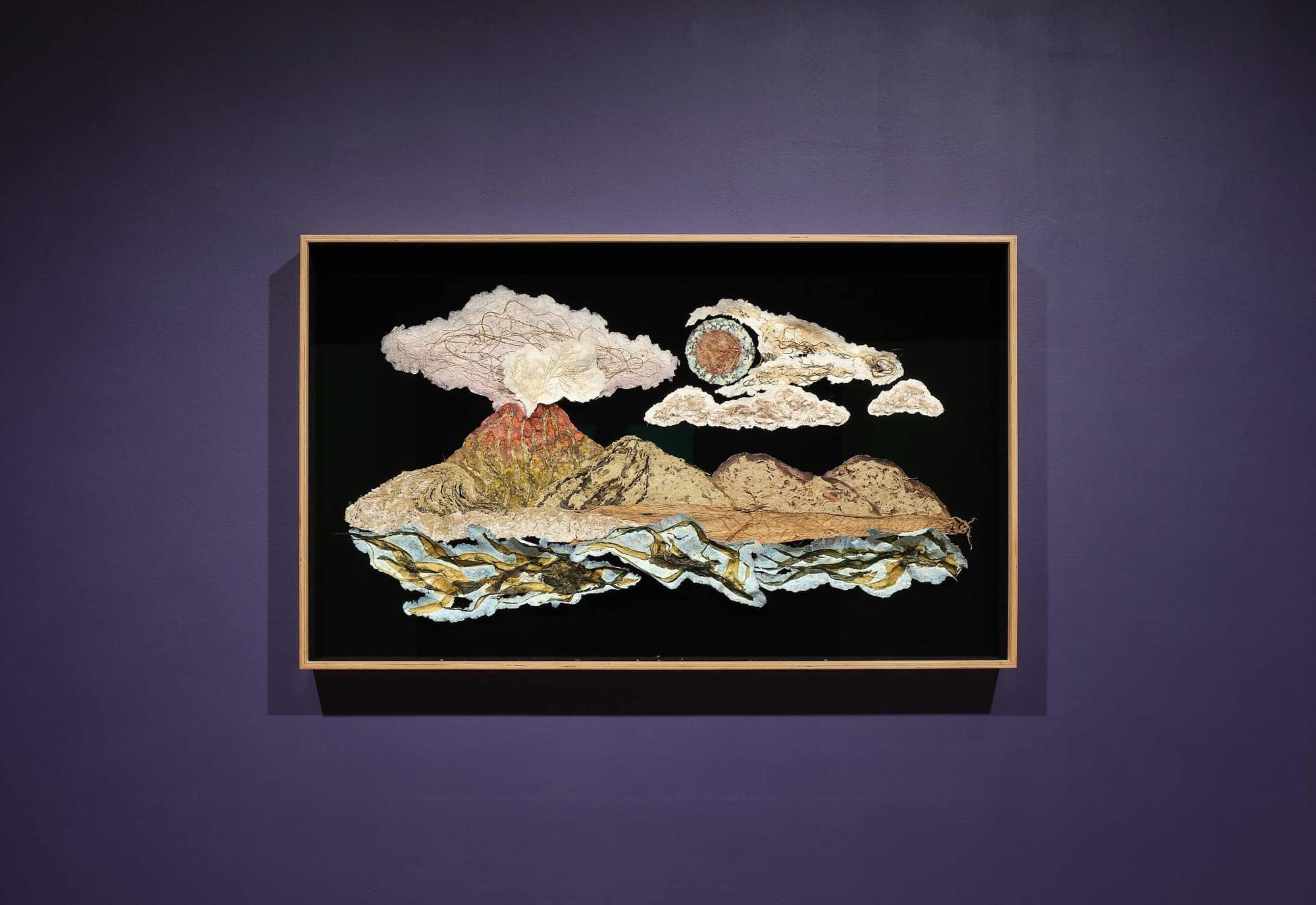
A series of paper artworks paid tribute to the island’s vegetation, incorporating materials such as banana stalks, coconut husks, taro shoots, and papaya seeds. In the hour-long video Langit Lupa (2023), the voices of survivors were heard over footage of the Negros landscape, intercut with local flora depicted through psychedelic phytograms (images created by exposing plants and photographic emulsion to light). “They have shown the film within local communities,” Katrib says, “but it has not had broad public reception in the Philippines.”
The fight has just begun
Just as art can flourish in new ways abroad, so can artists themselves. Pacita Abad, who relocated to San Francisco in her twenties, came from a family whose heavy involvement in politics (both parents and a brother served in Congress) and opposition to the Marcos regime resulted in a gunfire attack on their home in Manila.
A signature technique Abad called “trapunto painting” combines quilting with oils and acrylics to produce a riot of colours and textures. One dazzling example is Marcos and His Cronies (1985), a five-metre-tall piece in the Singapore Art Museum collection that was inspired by exorcism masks she encountered in Sri Lanka. Abad depicts Marcos as Maha Kola, the demon-in-chief clasping children in his hands and jaws and standing on the bejewelled head of Imelda like a pedestal. The 18 lesser demons are his henchmen, while the surrounding sea of beads and dots represents the Filipino people.
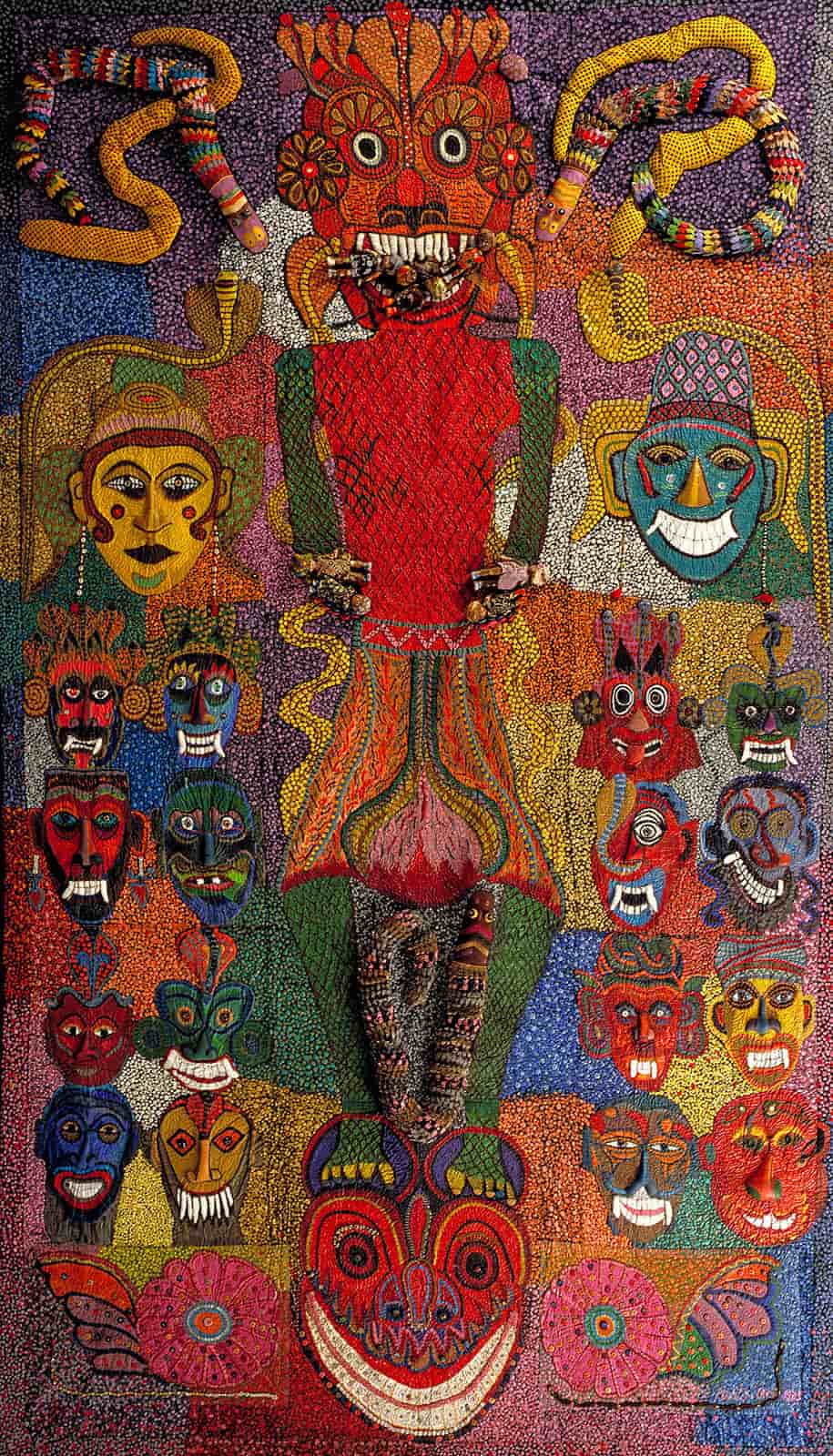
Working in Manila, where she had returned temporarily, Abad furtively titled the work “The Medicine Man.” Only after she left the country again in 1986 did Abad reveal the painting’s true name and thus its full meaning. Marcos was ousted shortly after, and Abad celebrated with champagne, ecstatic that the exorcism was finally complete.
In Lino Brocka’s case, his activist fire never cooled. When Aquino took office, Brocka joined a committee of 50 appointed to draft a new constitution. He quit within four months, disillusioned by how personal and corporate interests were tainting the process, but not before he introduced the clause, “No law shall be passed abridging the freedom of speech and expression.”
So long as his people were in pain, Brocka saw it as his duty to address it. In 1989, his film Fight for Us (Orapronobis) was screened at Cannes but banned in the Philippines for its anti-establishment stance. On a poster its slogan declared, “The revolution is over. The fight has just begun …”
___________________________________
Additional sources:
- Abad, Pacita. “Painting the Globe.” November 8, 2003. Singapore Tyler Print Institute (STPI).
- Blackwood, Christian, dir. Signed: Lino Brocka. 1987.
- Murray, Raymond. Images in the Dark: An Encyclopedia of Gay and Lesbian Film and Video. Philadelphia: TLA Publications, 1995.
- Santiago, Arminda V. “The Struggle of the Oppressed: Lino Brocka and the New Cinema of the Philippines.” Master’s thesis, University of North Texas, 1993.
To Save and Project: The 22nd MoMA International Festival of Film Preservation took place from January 8 to February 2, 2026 at MoMA. Find out more at moma.org.
Header image: Still from Signed: Lino Brocka. Image courtesy of Michael Blackwood Productions.
Support our work on Patreon
Become a memberYou might also like
When Art Becomes Script: T:>Works’ 24-Hour Playwriting Competition at the National Gallery Singapore
Fair Play? Rethinking Pop Culture Conventions and Their Place in the Art Landscape